How to write a masonry estimate: brickwork, block, and stone
Step-by-step guide for masonry contractors: calculate brick and block quantities, price your labor correctly, and build a markup that protects your margin.

Masonry is one of the trickier trades to estimate accurately. The work is material-heavy, labor-intensive, and packed with site variables that quietly erode your margin — a short brick count, a forgotten scaffold line, or a wall that needed footings twice as deep as anyone let on. A good masonry estimate accounts for all of it before you touch a trowel.
This guide walks you through building a masonry estimate from site visit to written document: material takeoff, labor pricing, the hidden line items most contractors miss, and how to structure the quote so customers can sign without back-and-forth.
Walk the site before you quote
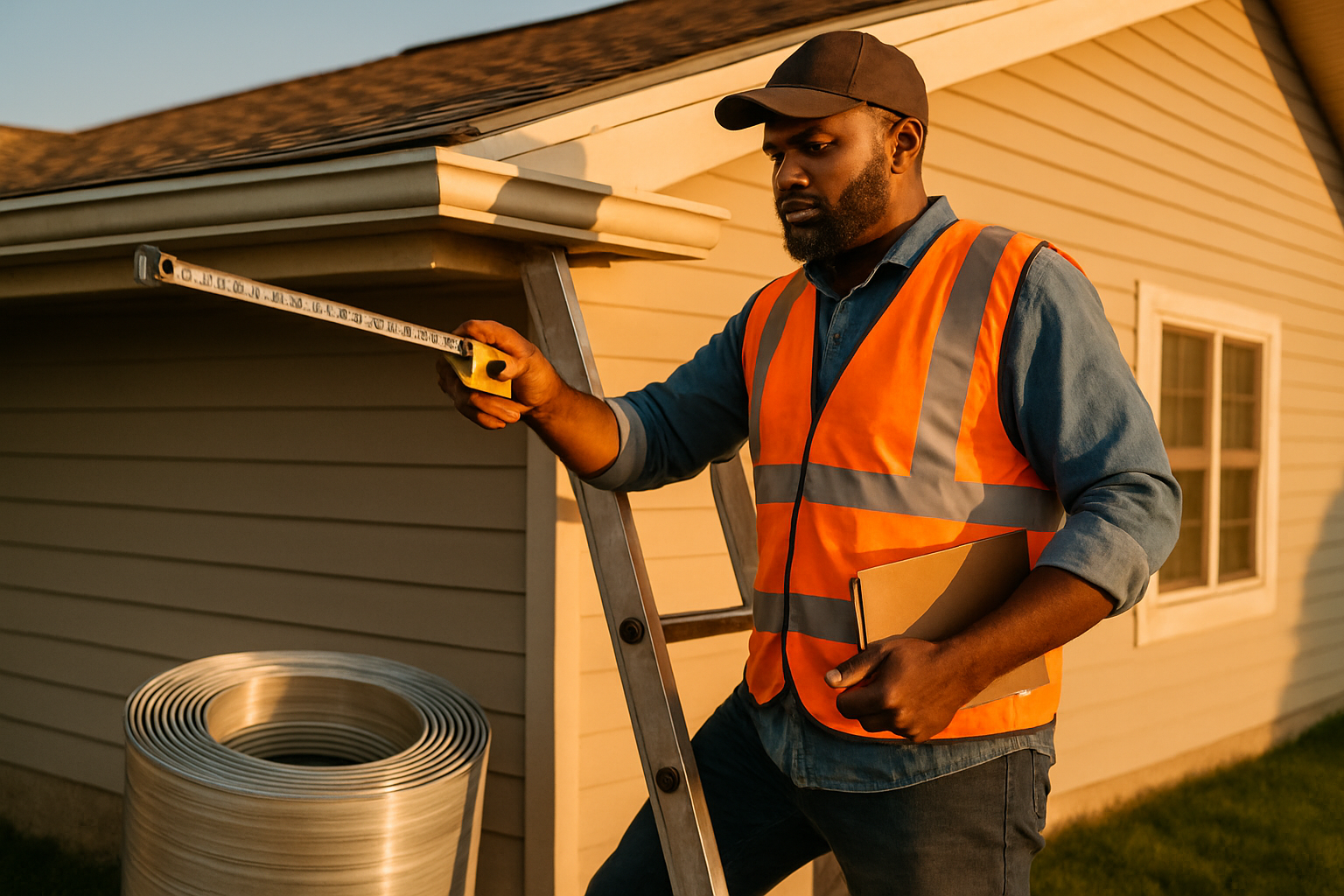
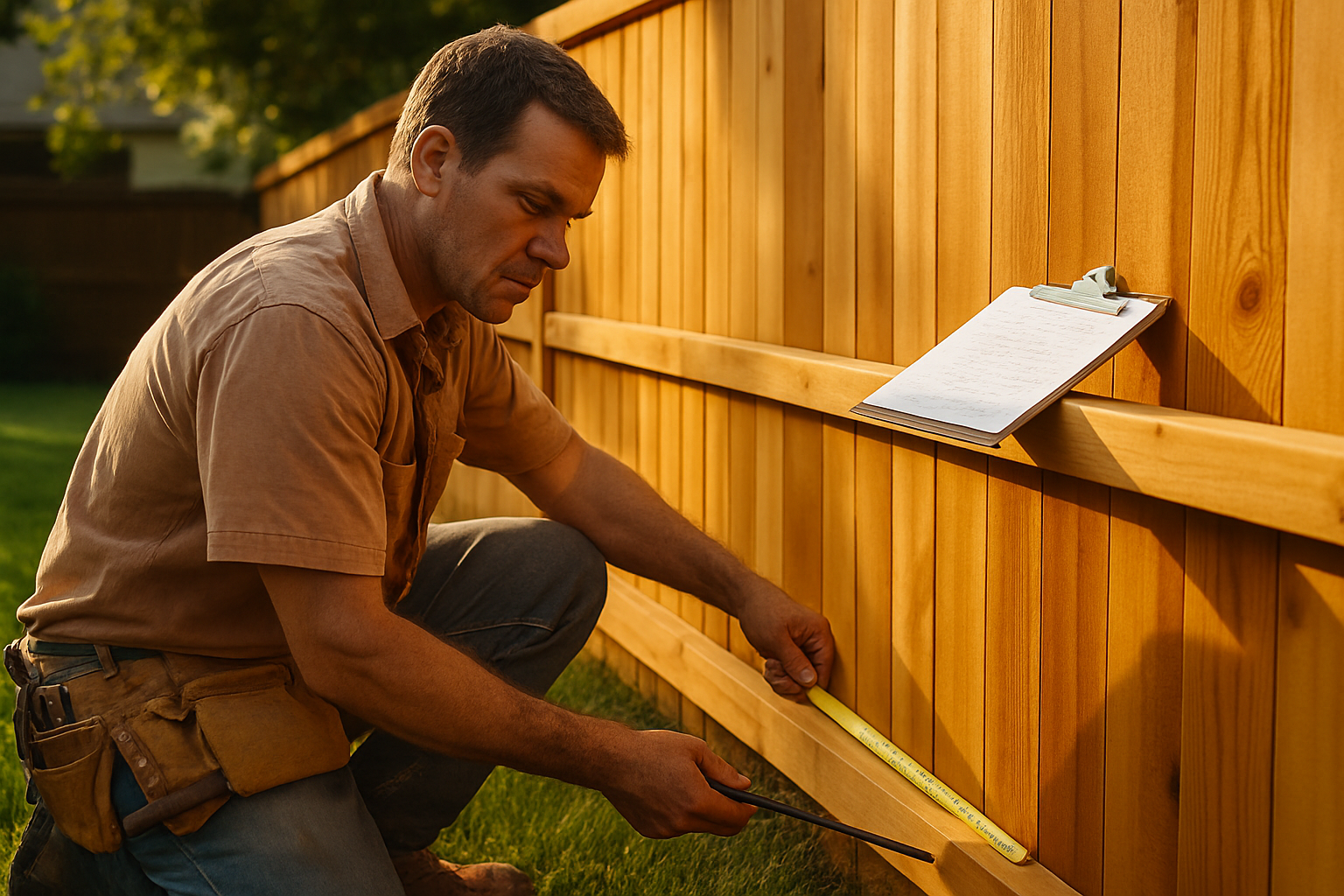
No masonry estimate should leave your desk without a site visit first. Aerial photos and customer-supplied measurements miss the variables that change your numbers: a tight alley that forces hand-carry instead of wheelbarrow, a retaining wall that needs footings three courses deeper than the spec shows, or a grade that slopes enough to require step footings.
On the walkthrough, measure everything yourself. Record:
- Total wall length and height (gross area in square feet)
- All openings — doors, windows, cleanouts — that get subtracted from gross
- Distance from material drop to work area
- Whether scaffolding will be needed (any wall taller than six feet typically does)
- Soil conditions if footings are in scope
- Permit requirements for that municipality
A 30-minute walkthrough can prevent a four-figure surprise mid-job.
Calculate material quantities for your masonry estimate
Brick and mortar
Standard modular brick — the 3⅝" × 2¼" × 7⅝" unit with a 3/8" mortar joint — lays at approximately 6.75 bricks per square foot of wall face, according to the Brick Industry Association's technical notes on brick construction. For rough field takeoffs, use 7 bricks per square foot and adjust at the end.
To find your order quantity:
- Calculate net wall area: (length × height) minus all openings
- Multiply net area by 6.75
- Add a 7–10% waste factor for cuts, breakage, and coursing adjustments
Order at 7% over for straight runs; 10% for patterns, angles, or arched openings where cutting losses climb.
Mortar: one 60-lb bag of Type S mortar covers approximately 20–25 modular bricks. Divide your brick count by 22 as a working estimate, then add 10% for batch waste and uneven mix sizes.
Concrete block
Standard 8" × 8" × 16" CMUs (nominal) cover approximately 0.89 square feet per block face on running bond — about 1.13 blocks per square foot. Add 5% waste; block work cuts cleaner than brick and breakage is lower.
Natural stone
Stone coverage depends on shape and cut method. Add 15% waste for fieldstone or rubble work; 10% for sawn stone. Always visit the supplier's yard for natural stone — photos don't capture thickness, weight, or face consistency, all of which affect labor hours.
Price masonry labor correctly
Labor is typically the largest cost in a masonry job — often 50–60% of the total bid. Getting it wrong is how estimates turn into losses.
The U.S. Bureau of Labor Statistics Occupational Outlook Handbook reports a median annual wage of $56,600 for brickmasons, blockmasons, and stonemasons as of May 2024 — roughly $27.21 per hour. That's base wage, not your actual cost to field a mason.
Your real labor cost per hour includes:
- Base wage: $27–$40/hr for journeyman work depending on skill and market; BLS median is your floor
- Employer burden: payroll taxes, workers' comp insurance, and benefits add roughly 25–35% above base wage
- Tool and vehicle allocation: typically $8–$15/hr spread across the job
If you're operating solo, run the same math with your own target income. The markup calculator at JobEstimator lets you work backward from your annual income goal to the billing rate you need to hit.
Production rates: a skilled mason in good conditions lays 200–350 modular bricks per day. Decorative patterns, restricted access, frequent scaffold moves on tall sections, and hot or cold weather all cut output. Build your labor estimate from the low end of that range until you have job-history data to calibrate it.
The line items that bleed masonry margins
Most masonry bids go over budget not on brick count or primary labor hours, but on items that were never priced to begin with:
- Footings and base prep: any freestanding wall needs a proper footing; don't assume the customer handles it unless you've written it as an explicit scope exclusion
- Scaffolding: walls taller than six feet typically require it; rental plus setup commonly runs $150–$400 per week depending on wall length
- Debris removal: brick chippings, mortar bags, and packaging add up to roughly a half-day of cleanup labor plus a haul-off fee
- Permits: masonry walls and retaining walls often require them; itemize the permit fee or get a cost estimate before finalizing your quote
- Weather and curing: mortar applied below 40°F or above 95°F needs additives and protective measures; factor this into your schedule and materials cost when the job spans seasonal weather
Set your markup for masonry
Masonry is materials-heavy, so your markup applies to a large direct-cost base. A solid framework: allocate 10–15% of total job cost to overhead (insurance, vehicle, tools, admin), then add 15–20% net profit on top. See how to calculate markup on a contractor quote for the step-by-step math.
One wrinkle with masonry: brick and stone prices are tied to regional supply chains and fuel costs, and they can move between your quote date and your buy date. If there's any gap, protect yourself by:
- Setting a 30-day price-validity window on the estimate
- Requiring a materials deposit before placing the order
- Adding an escalation clause for jobs longer than two weeks
The post on protecting your markup when material prices change walks through all three options in detail.
What the written masonry estimate should include
A masonry estimate that prevents disputes covers these sections:
- Scope of work: masonry type (brick, block, stone), wall dimensions, location, and finish (exposed face, back-of-wall, decorative)
- Exclusions: footings if not in your scope, painting, waterproofing, any prep the GC or owner handles
- Material spec: brick type or block series, mortar type (Type S, N, or M), reinforcement, joint style (struck, raked, tooled)
- Quantities and unit prices: square footage, unit count, mortar bags — an itemized estimate is one a customer can audit; a lump sum is one they'll argue
- Labor: crew hours × rate, or a lump labor figure with hours stated for reference
- Allowances: any item priced on estimated conditions such as footing depth or subgrade quality
- Price validity: 30 days is standard; shorter if materials are moving
- Payment terms: deposit before ordering materials, progress payments at agreed milestones, balance at completion
Include your license number, insurance certificate reference, and warranty terms. Most residential masonry carries a one-year workmanship warranty minimum.
Takeaways
- Never quote masonry without a site visit — photos and verbal measurements miss access conditions, grade, and soil quality
- Use 6.75 modular bricks per square foot (Brick Industry Association) as your takeoff baseline; order at 7–10% above net quantity
- Labor is typically 50–60% of a masonry bid; price it from BLS wage data ($27.21/hr median, May 2024) plus your actual employer burden, not from memory
- Footings, scaffolding, debris removal, and permits are the most-missed line items — check each one on every estimate
- Set a 30-day validity window on masonry quotes to guard against material price movement
Build your next masonry quote faster
Writing out every brick count, labor hour, waste factor, and markup line by hand for every job is slow and easy to miss. JobEstimator generates complete, itemized masonry quotes from a job description in seconds — quantities, labor rate, overhead, and markup all calculated and formatted automatically.
If you're currently building quotes in a spreadsheet or on paper, plans start at $39/mo. Most contractors recover that on the first job where a line-item estimate catches a scope gap before the materials are ordered.